Signs You Have a Wasp, Hornet, or Yellow Jacket Problem
If you notice signs you have a wasp, hornet, or yellow jacket problem, local service providers can identify the issue and safely eliminate the pests for you.
If you’ve noticed sudden activity around your property, or if you’ve spotted nests tucked away in eaves, shrubs, or other sheltered areas, you might be dealing with a wasp, hornet, or yellow jacket problem. These insects are more than just a nuisance; their stings can cause discomfort or allergic reactions, making it important to identify signs early. Property owners in the area often explore this topic to prevent potential stings and protect their families, pets, and visitors from unexpected encounters. Recognizing the warning signs can help you determine if professional treatment is needed to safely remove nests and reduce insect activity.
Understanding the common indicators of a wasp, hornet, or yellow jacket issue can save you time and worry. For example, increased sightings of these insects near entrances, outdoor dining areas, or around trash cans may signal an active nest nearby. If you hear buzzing sounds coming from walls or eaves, or see wasps darting aggressively, it’s a sign that a nest could be close. Local contractors who specialize in wasp, hornet, and yellow jacket treatment are equipped to handle these situations safely and effectively, helping property owners maintain a pest-free environment and avoid the risks associated with these stinging insects.
- Wasp, Hornet, or Yellow Jacket Treatment - is needed when nests are discovered near your home or in outdoor spaces, and local contractors can safely remove or treat the nests.
- Wasp, Hornet, or Yellow Jacket Treatment - is essential if you notice aggressive behavior or frequent stinging incidents, prompting service providers to address the problem promptly.
- Wasp, Hornet, or Yellow Jacket Treatment - becomes necessary when you find signs of nests in eaves, wall voids, or underground, with local experts able to handle the removal safely.
- Wasp, Hornet, or Yellow Jacket Treatment - is recommended if you observe increased activity around outdoor dining or play areas, and local service providers can help eliminate the threat.
- Wasp, Hornet, or Yellow Jacket Treatment - is appropriate when you see persistent buzzing or small holes in the ground, with local contractors able to assess and treat the infestation effectively.
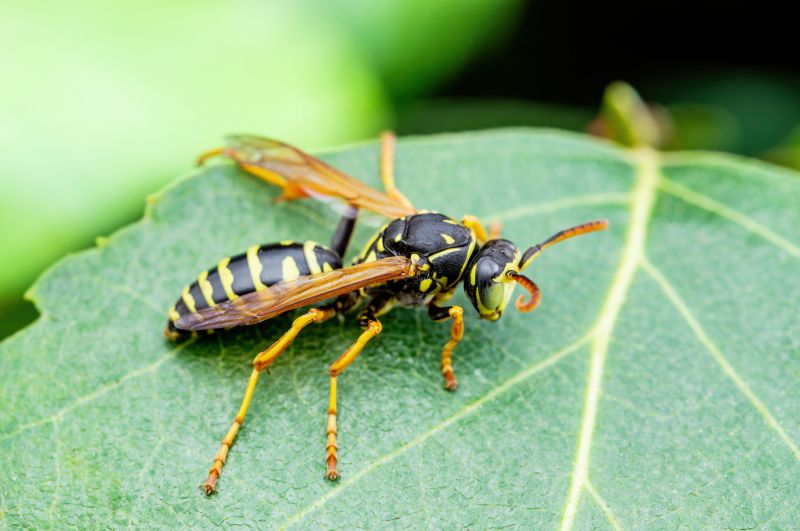
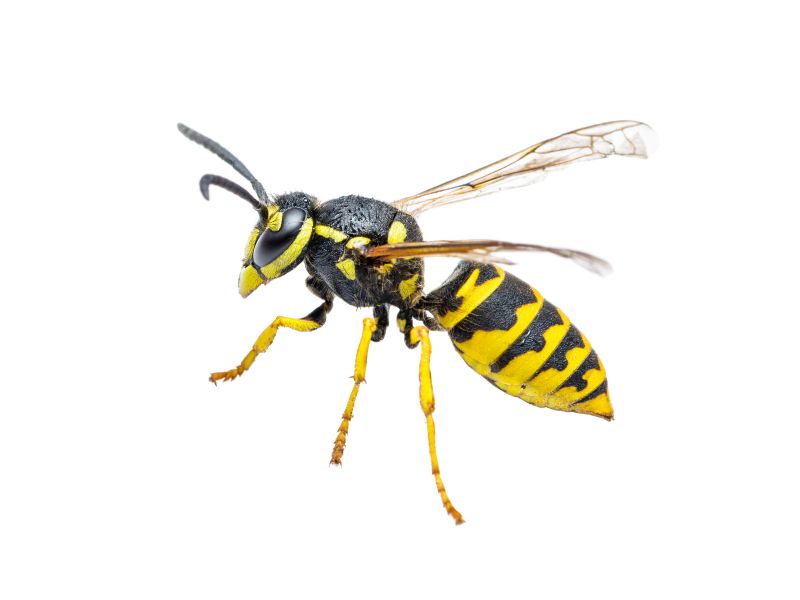
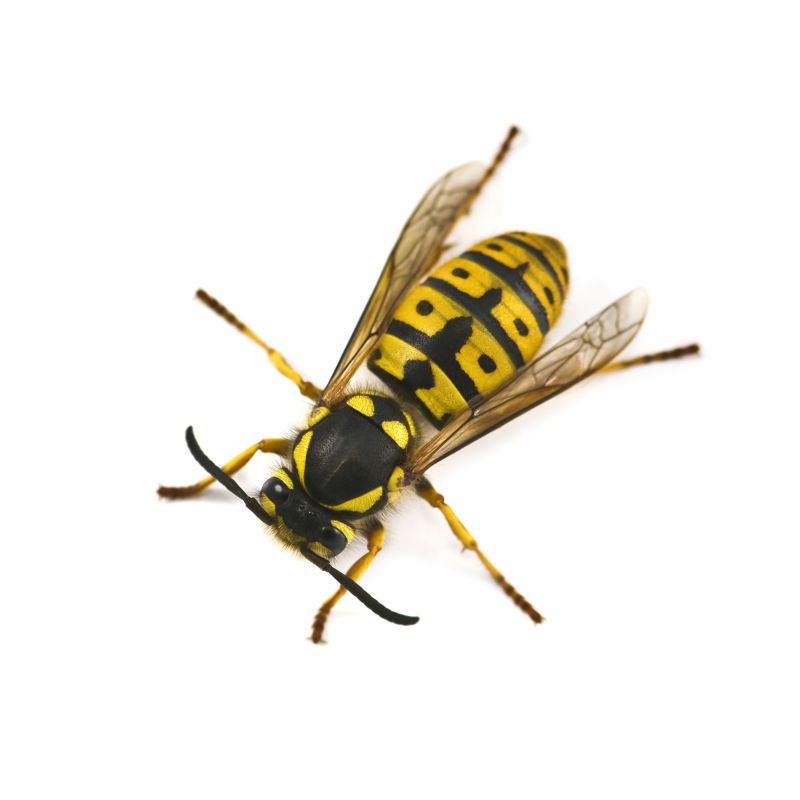
Many homeowners first become aware of a wasp, hornet, or yellow jacket problem through visual signs around their property. One common indicator is the presence of nests in visible locations such as eaves, soffits, trees, shrubs, or ground holes. These nests can vary in size, from small, papery structures to large, complex colonies. Additionally, the sight of wasps or hornets flying near these nests or around outdoor activity areas can signal an active infestation. Recognizing these signs early can help prevent the situation from escalating, and local service providers are equipped to assess and address these issues effectively.
Another sign that suggests a wasp, hornet, or yellow jacket problem involves increased insect activity during warm months. If homeowners notice swarms of wasps or hornets gathering near entry points or around food sources, it often indicates an active nest nearby. These insects tend to become more aggressive if they feel their colony is threatened, especially during late summer and early fall. Property owners might also observe wasps crawling on walls, fences, or outdoor furniture, which can be a sign of nearby nests. Addressing these signs promptly with the help of local contractors can reduce the risk of stings and prevent nests from growing larger.
Certain property types are more prone to wasp, hornet, or yellow jacket issues due to their features or location. Residential homes with overhanging roofs, decks, and porches are common sites for nests because these areas provide sheltered spots for colonies to thrive. Gardens with dense shrubbery or trees can also harbor nests, especially if there are ground holes or cavities. Commercial properties such as restaurants with outdoor dining areas or parks with picnic zones frequently encounter these pests, especially when food and drink are present. Recognizing the property features that attract these insects can help in planning effective treatment and prevention strategies with local professionals.
Understanding the connection between signs of a wasp, hornet, or yellow jacket problem and the need for professional treatment is essential for homeowners. While some minor sightings may be manageable, active nests pose safety risks and can grow rapidly if left untreated. Local service providers specialize in identifying nests and safely removing or treating colonies to prevent further issues. They can also advise on prevention measures to reduce the likelihood of future infestations. Connecting with experienced contractors ensures that the problem is handled efficiently, reducing the risk of stings and property damage, and helping maintain a safe outdoor environment.
Pest identification guides - understanding how to identify various pests and their signs can help homeowners recognize wasp, hornet, or yellow jacket problems early, and local contractors can assist with accurate identification and removal.
Outdoor pest control projects - these projects involve planning and implementing treatments for pests around the yard, which aligns with services offered by local providers to manage wasp and hornet nests.
Nest removal services - specialized in safely removing nests from structures and trees, these projects require knowledge of pest behavior similar to what is needed for wasp, hornet, or yellow jacket control.
Yard cleanup and debris removal - clearing clutter and debris reduces potential nesting sites and supports pest prevention efforts handled by local service providers.
Structural repairs and sealing - sealing entry points around a home prevents pests from establishing nests indoors or in hidden areas, complementing wasp and hornet treatment strategies.
Wildlife exclusion projects - installing barriers or deterrents to keep pests away from homes involves planning and execution skills that are applicable to managing wasp, hornet, or yellow jacket issues.
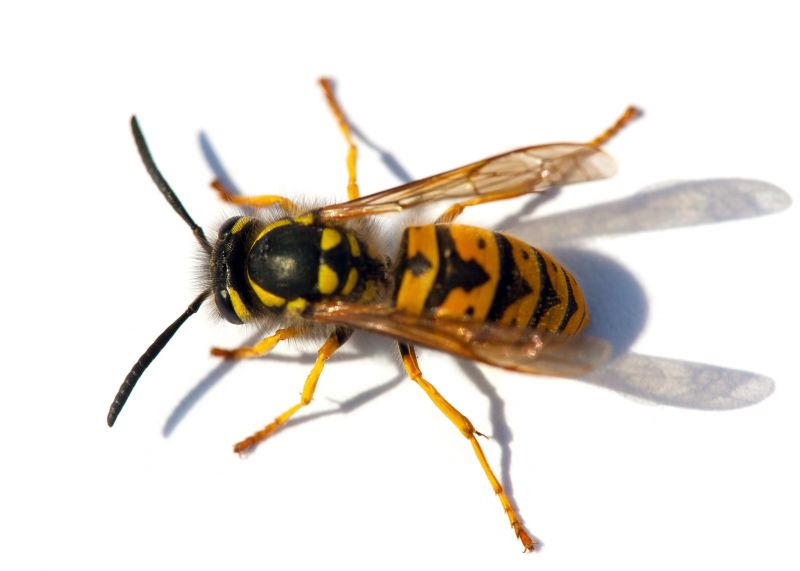
When evaluating potential service providers for wasp, hornet, or yellow jacket treatment, it’s important to consider their experience with similar projects. Homeowners should inquire about how long the contractor has been handling pest control issues related to these insects and whether they have encountered situations similar to their own. A contractor with a proven track record in managing wasp or hornet nests, especially in residential settings, can often provide more reliable and effective solutions. Understanding a provider’s background in dealing with these specific pests can help ensure that the problem is addressed safely and thoroughly.
Clear written expectations are a key aspect of choosing the right local contractor. Homeowners should seek detailed descriptions of the services included, such as nest removal, treatment methods, and follow-up procedures. Having a written outline helps prevent misunderstandings and ensures that both parties are aligned on what the treatment will entail. It’s also beneficial to ask for reputable references or reviews from previous clients who had similar issues, as these can provide insights into the contractor’s professionalism, reliability, and quality of work. Well-documented expectations and positive references contribute to a more transparent and confident decision-making process.
Effective communication is essential when working with local service providers for wasp, hornet, or yellow jacket issues. Homeowners should look for contractors who are responsive, willing to answer questions, and able to clearly explain their approach and safety considerations. Good communication helps ensure that homeowners understand what to expect during and after treatment, and it fosters trust throughout the process. Selecting a provider who communicates well can lead to a smoother experience and increase the likelihood that the problem will be resolved efficiently and to the homeowner’s satisfaction.
Property owners often search for signs you have a wasp, hornet, or yellow jacket problem when they are planning practical projects around their homes and businesses. Local pros provide Wasp, Hornet, or Yellow Jacket Treatment services for everyday jobs and straightforward project options.
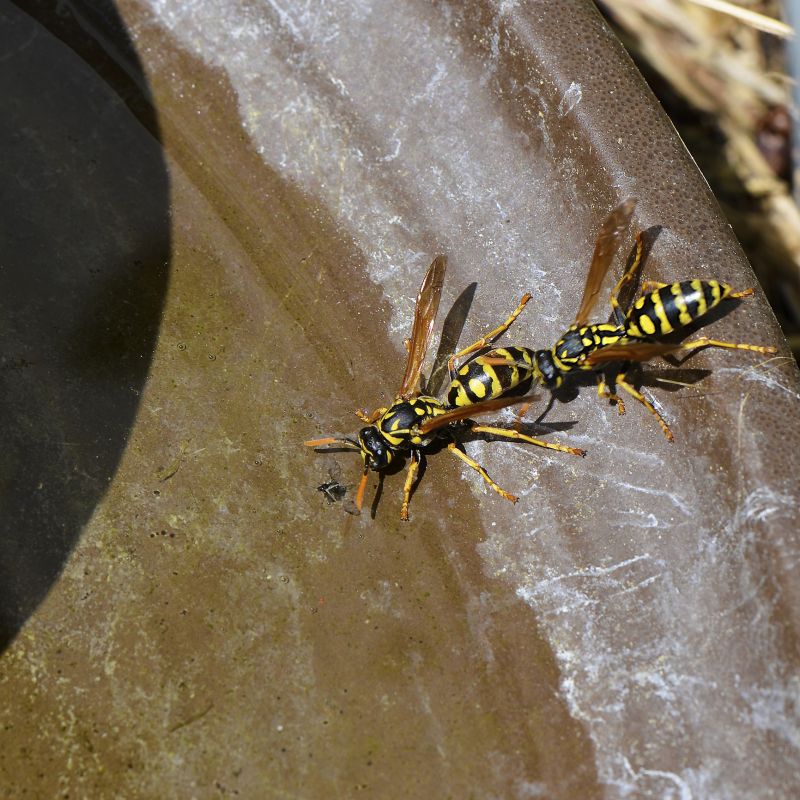
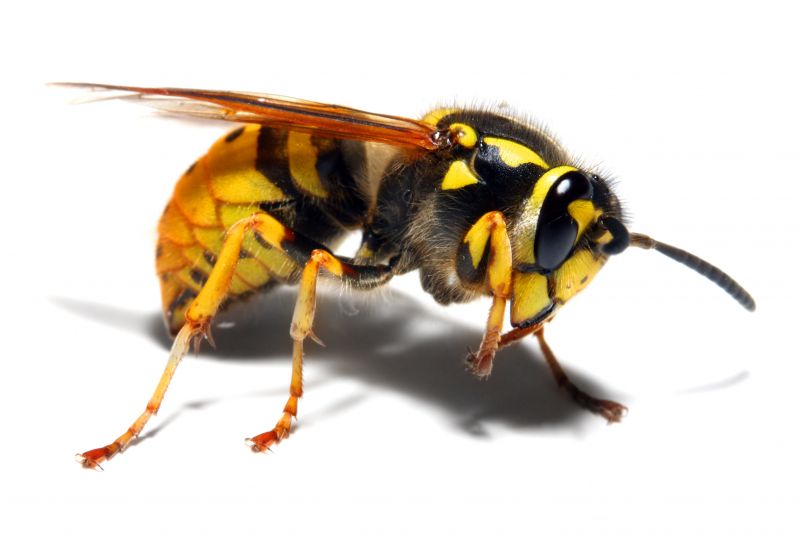
Property owners often notice the presence of wasps, hornets, or yellow jackets during outdoor activities, especially in late summer and early fall. Common signs include visible nests hanging from eaves, branches, or other sheltered spots around the yard. Additionally, if there are frequent buzzing sounds near windows, doorways, or in the vicinity of outdoor dining areas, it may indicate an active wasp or hornet population. Recognizing these signs early can help prevent potential stings and property damage, prompting property owners to seek assistance from local contractors experienced in wasp, hornet, and yellow jacket treatment services.
In some cases, property owners might observe increased activity around specific areas, such as wall voids, attic vents, or shrubbery, where nests are hidden from plain sight. Swarm behavior or sudden aggressive responses when approaching certain spots can also signal a problem. When these signs are noticed, it’s advisable to connect with local service providers who specialize in pest removal and nest elimination. These professionals can assess the situation, safely remove nests, and help prevent future issues, ensuring outdoor spaces remain safe and comfortable.
What are common signs of a wasp, hornet, or yellow jacket problem? Visible nests near eaves, walls, or ground areas, along with increased insect activity, are typical signs of an infestation that may require professional treatment.
How can I tell if I have an active nest on my property? Frequent sightings of wasps or hornets around specific spots, especially near their nests, indicate active colonies that may need removal by local contractors.
Are there specific times when wasp, hornet, or yellow jacket problems are more noticeable? These pests tend to be more active during warm months, with increased sightings and nest activity signaling a potential problem needing attention.
What behaviors might suggest a wasp, hornet, or yellow jacket presence? Defensive behavior such as wasps or hornets buzzing around or swarming near entry points can indicate a nearby nest that should be handled by service providers.
When should I consider professional treatment for a wasp, hornet, or yellow jacket issue? If nests are large, located in hard-to-reach areas, or if there's frequent aggressive activity, contacting local contractors for removal is recommended.
Identifying stinging insect nests - recognizing signs of nests on eaves, trees, or ground can help property owners plan for professional removal services.
Noticing increased activity near entry points - frequent sightings of wasps or hornets around doorways or windows may indicate an infestation needing treatment.
Observing aggressive behavior during outdoor activities - sudden swarming or defensive actions by insects can signal a nearby nest that requires expert attention.
Detecting persistent buzzing or sightings of insects - consistent presence of wasps, hornets, or yellow jackets in specific areas suggests a need for professional pest management.
If you are thinking about signs you have a wasp, hornet, or yellow jacket problem for a property, this guide is meant to help you understand this topic, the typical project types, and how different options might fit your plans.
When you are ready, you can use the quote form on this page to share a few details about your project. From there, local pros can review the basics and follow up with options that match what you have in mind.